Team collaboration and humility
Leaders with humility reduce 'ego fights' and so improve coordination.
Date: 18. February 2026
Categories: PGStudy, Talent Management
A few years ago, a client proudly told us: “We’ve hired only top performers. The best of the best. This team has to succeed.”
Six months later? High tension. Power struggles. Brilliant people — but low collaboration.
And performance? Disappointing.
What does research tell us?
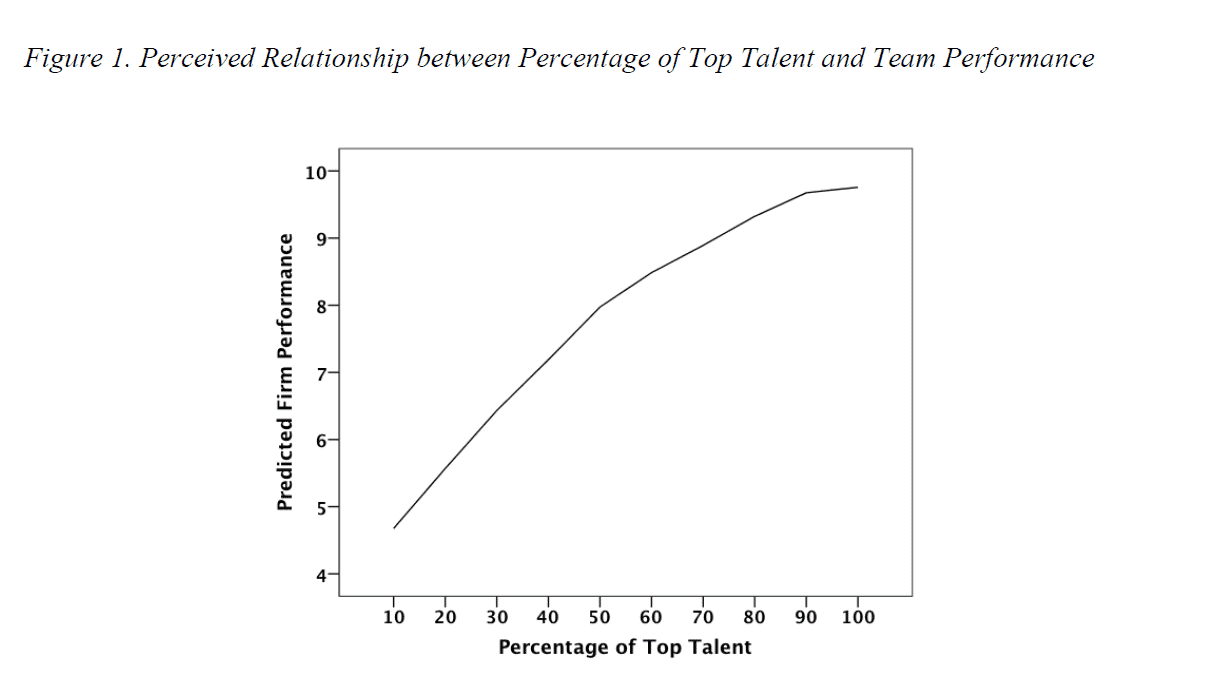
An interesting study by Roderick Swaab and colleagues looked at what happens when teams are packed with top talent.
They analyzed real-world data from:
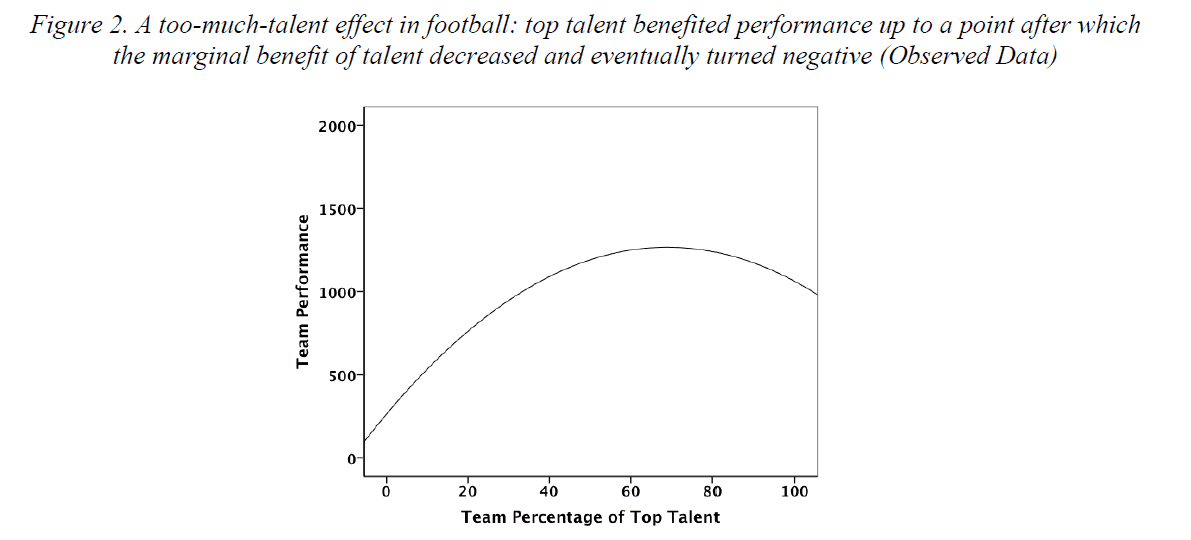
⚽ National football teams
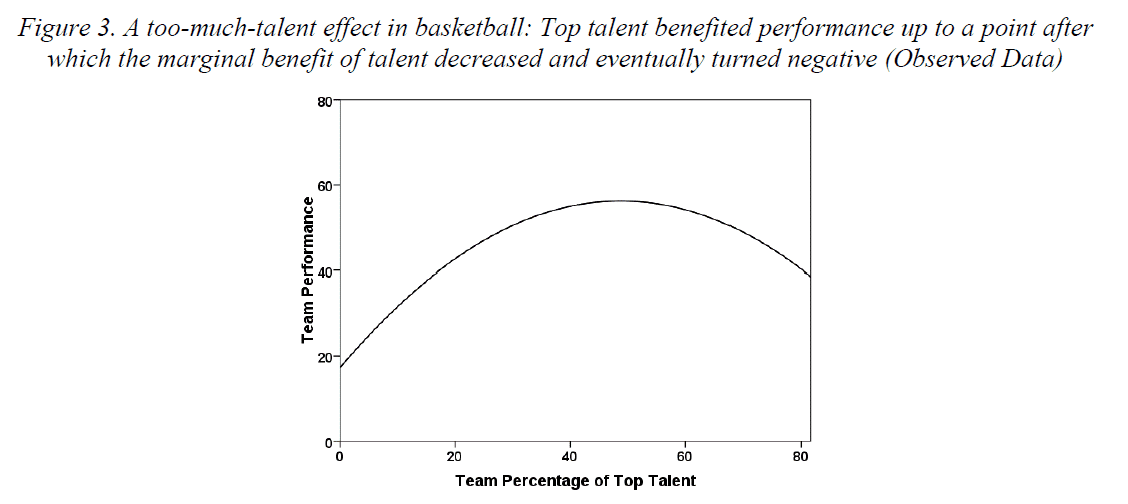
🏀 NBA teams
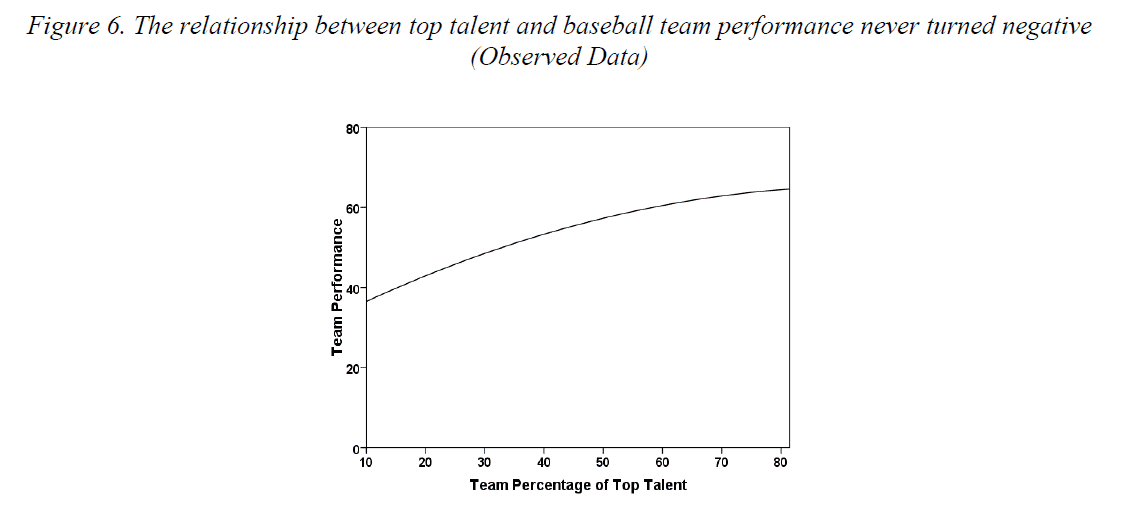
⚾ And compared them to baseball teams
Here’s what they found
In highly interdependent teams (like football & basketball), performance improves with talent… only up to a point.
After that point, more top talent leads to:
- More status competition
- Less coordination
- And ultimately worse performance
Why?
Because when too many people see themselves as “the star,” they start competing for status instead of collaborating. The team stops playing together. In contrast, in low-interdependence teams (like baseball), more talent keeps helping — because coordination matters less.
So the issue isn’t talent. It’s how talent behaves in teams that depend on each other.
That’s where one of our Agile Leadership competencies becomes critical: Humility. Leaders with humility reduce ‘ego fights’ and so improve coordination.
In your organization:
Where could more humility improve collaboration in your organization?Are you developing leaders for individual excellence — or for collective success?
Your PG Guides