From Zurich to Berlin: What We Learned
As a consulting boutique, it is essential to stay connected to the world around us, to engage with leaders, researchers, coaches, and practitioners, and to understand the challenges organizations are facing in real time.
Date: 25. June 2026
Categories: AI, PGLecture
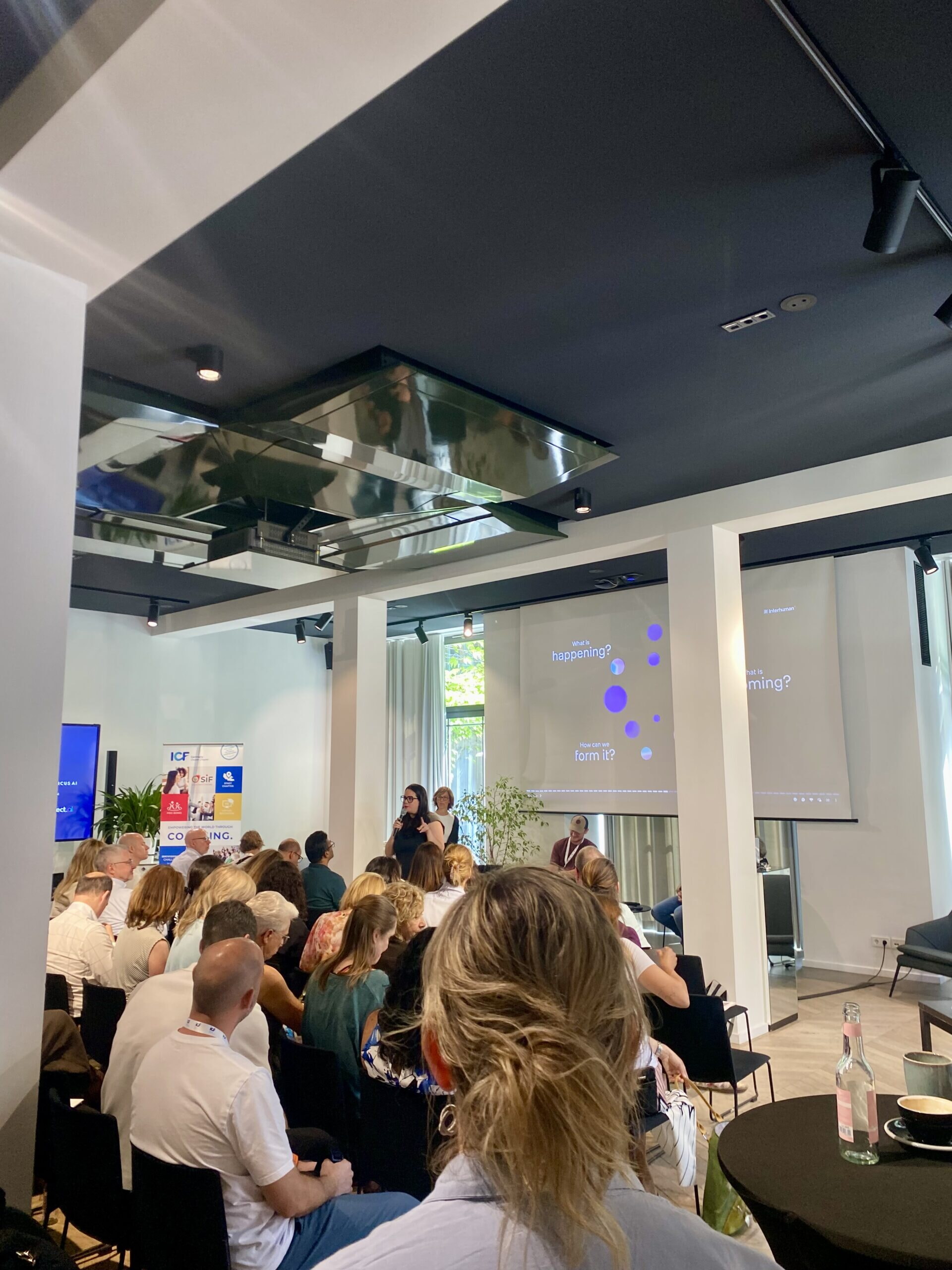
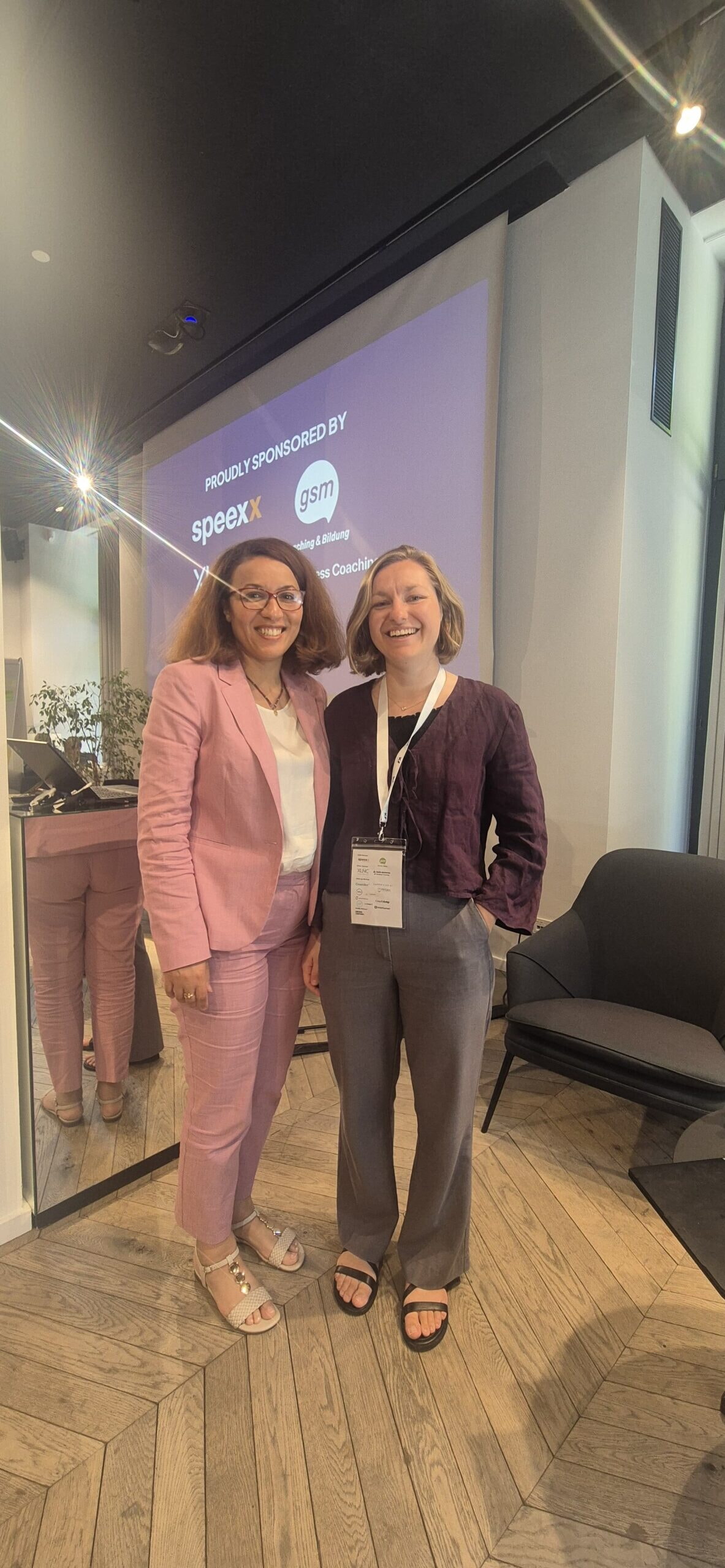
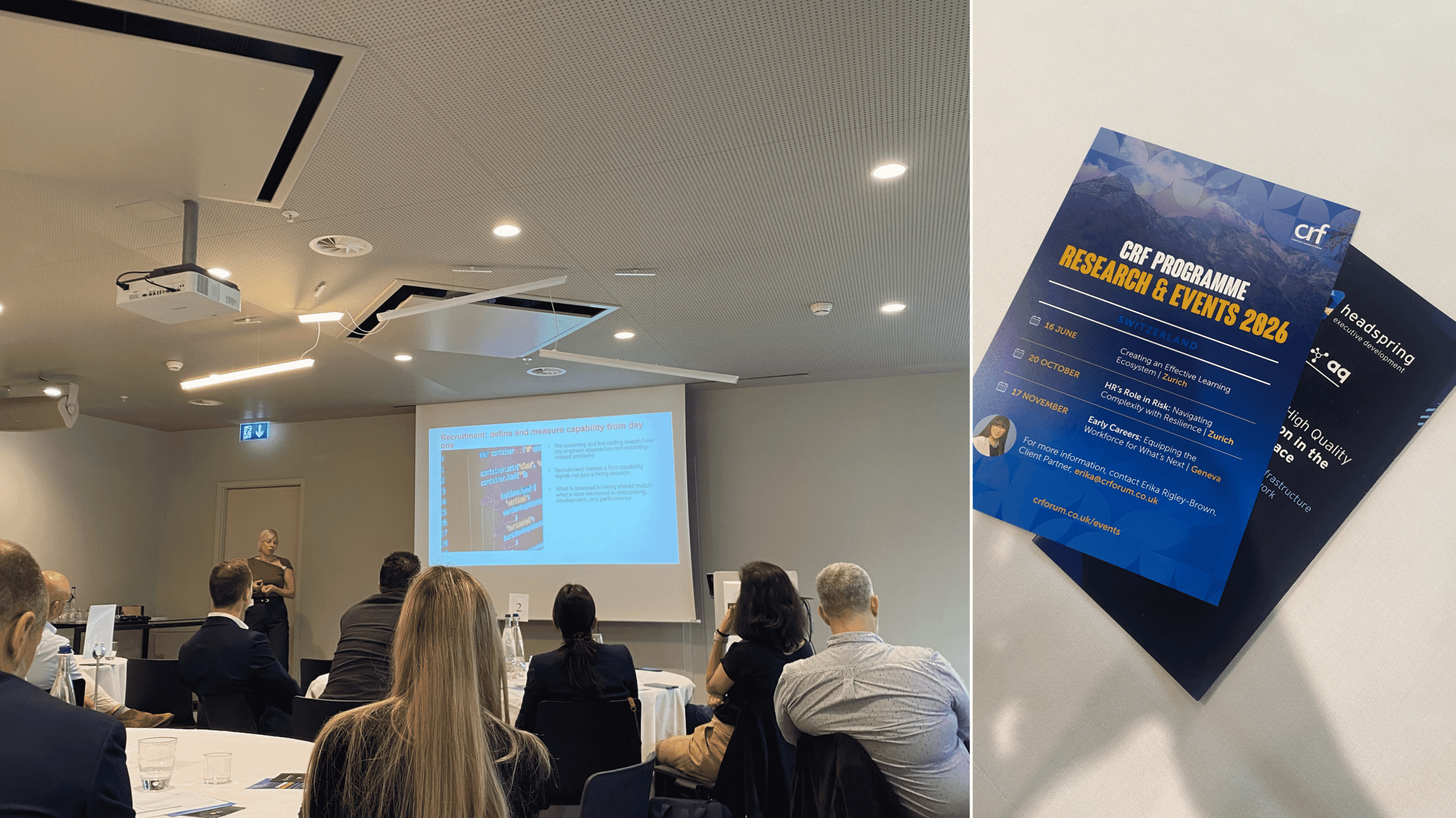
Over the past few weeks, our Personality Guidance team had the opportunity to attend two inspiring events: a Corporate Research Forum gathering in Zurich focused on the future of learning ecosystems, and the ICF Germany conference in Berlin exploring the future workforce.
As a consulting boutique, it is essential to stay connected to the world around us, to engage with leaders, researchers, coaches, and practitioners, and to understand the challenges organizations are facing in real time. By listening, learning, and exchanging perspectives, we can better accompany our clients through today’s transformations.
What struck us most was that, despite the diversity of topics and speakers, one central theme emerged repeatedly: As AI advances, what makes us human becomes even more important.
AI Adoption Starts with People
At the Corporate Research Forum event in Zurich, one insight from Guy Champniss (IE University) particularly resonated with us.
He compared AI adoption to medicine: if patients do not take the medicine, it cannot work. Likewise, organizations can invest in the best AI tools, platforms, and learning programs, but if employees do not embrace them, little changes. The conversation therefore quickly moved beyond technology and toward people. More specifically, psychological safety. Organizations may need to ask new questions:
- Do employees feel their credibility is changing because of AI?
- Is their sense of professional identity being affected?
- How is AI influencing workplace relationships?
Learning from the Pioneers
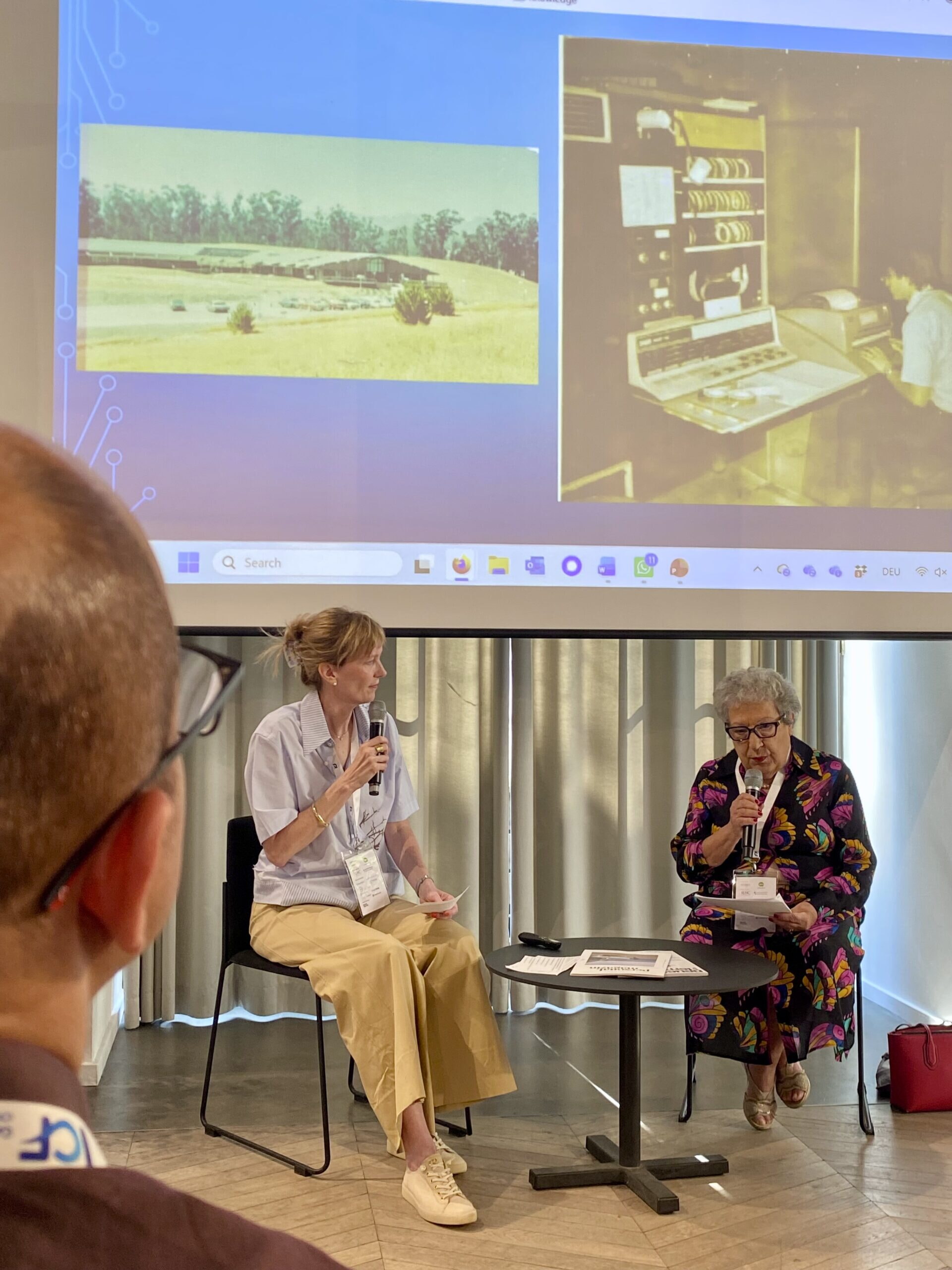
A few days later, in Berlin, we had the privilege of meeting Luigia Carlucci Aiello, one of the pioneers of artificial intelligence.
Now nearly 80 years old, she shared stories from the early days of AI research at Stanford alongside John McCarthy, often referred to as the father of AI. Listening to these reflections reminded us both of how far AI has progressed and how timeless the human challenges surrounding change, adaptation, and meaning remain.
What Will Always Belong to Humans?
Another thought-provoking discussion came from Helanah Warren, who posed a simple question: If AI becomes increasingly efficient, what remains uniquely human?
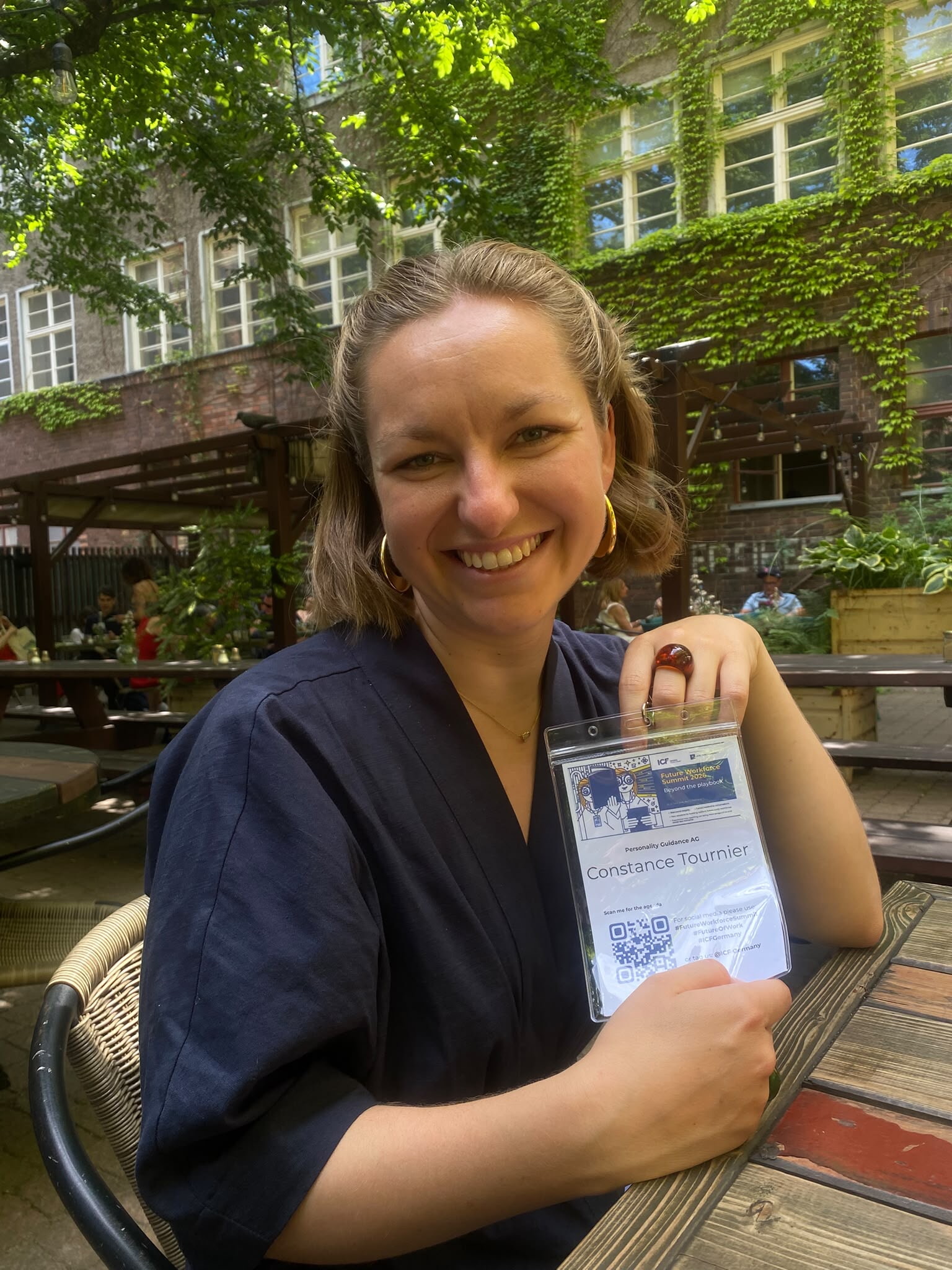
Among the many answers discussed, two particularly resonated with our team member Constance Tournier:
- Trust
- Common sense
In a world where information is abundant and decisions are increasingly automated, these human capabilities may become even more valuable.
Preserving Our Most Important Asset: The Brain
Another inspiring contribution came from Kelly Algier, who emphasized the importance of preserving and strengthening our brain health.
She introduced the concept of neuro-fit habits, highlighting practices such as:
- Building stress resilience
- Prioritizing sleep
- Maintaining good nutrition
- Setting meaningful goals
- Cultivating a constructive attitude
- Seeking variety and continuous stimulation
For leaders, this raises an important question: how can we create environments that not only support performance but also sustain the cognitive and emotional resources people need to thrive? As work accelerates and change becomes constant, taking care of our brains may become one of the most strategic leadership responsibilities.
Leadership, Personality, and Focus
A leadership lesson from Jessica Krauter, Founder & CEO of Buah GmbH, also stood out.
She shared how understanding her own personality transformed her leadership journey. Rather than focusing on hours worked, she focuses on outcomes and results. One practice particularly caught our attention: their “Silent Tuesdays and Thursdays”, meeting-free days designed to protect focus, deep work, and meaningful contribution. It was a powerful reminder that productivity and humanity do not have to compete. In fact, they often reinforce one another.
Courage, Speaking Up, and the Rise of Co-Leadership
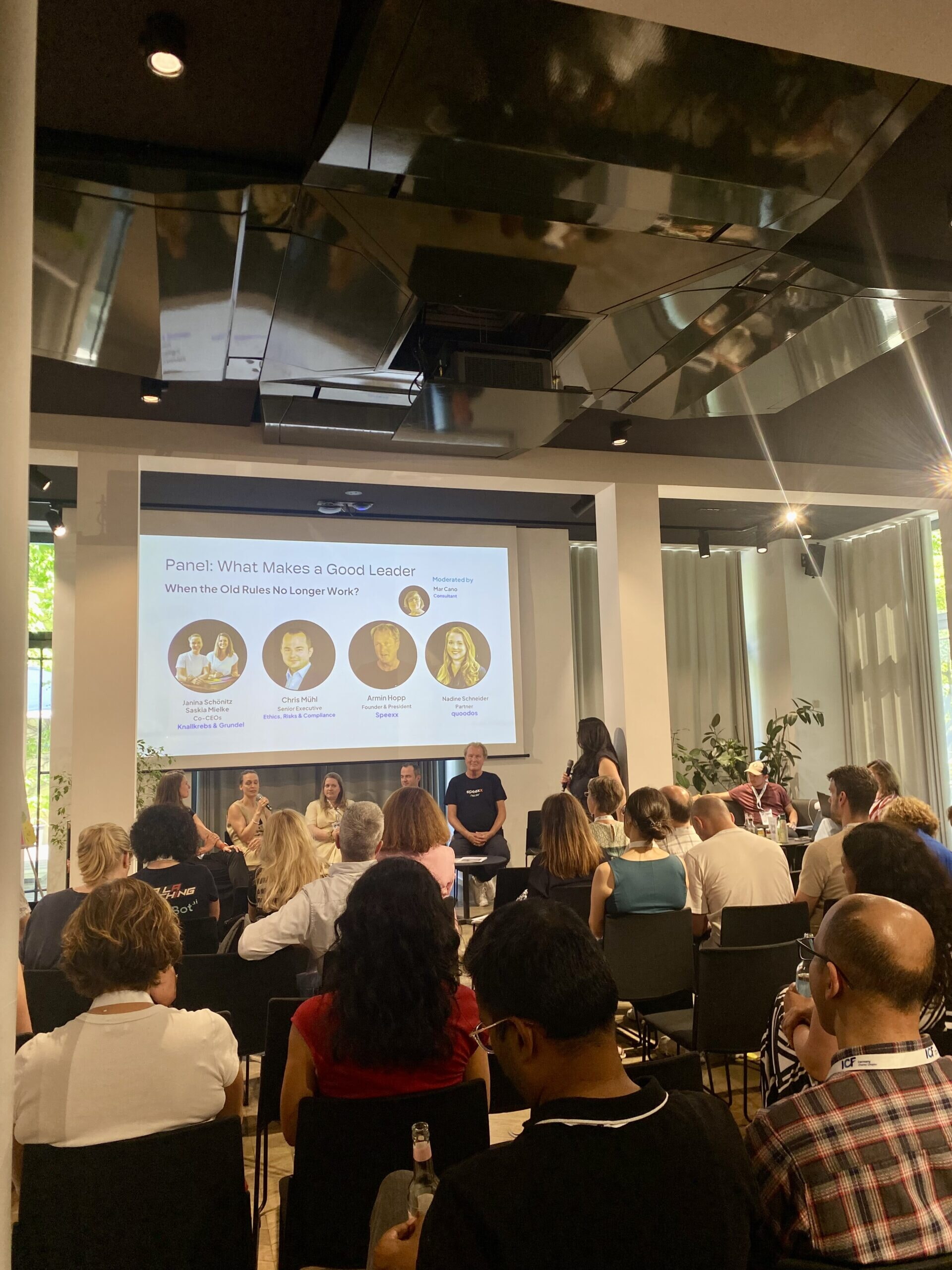
Another fascinating panel discussion explored two topics that feel increasingly relevant in today’s rapidly changing environment: the courage to speak up and the growth of co-leadership models.
As organizations face greater complexity, leadership is becoming less about individual heroics and more about collective intelligence. Saskia Mielke shared valuable perspectives on co-leadership and how sharing leadership responsibilities can help organizations navigate uncertainty more effectively. One insight particularly resonated with us: successful co-leadership starts with complementarity. Leaders need to understand not only their own strengths, preferences, and blind spots, but also those of their partner.
This is where personality assessments, coaching, and joint development journeys can play a critical role. Understanding how two leaders think, communicate, make decisions, and manage pressure together creates a strong foundation for trust, alignment, and performance. In many ways, co-leadership reflects a broader trend: success increasingly depends on our ability to collaborate rather than compete.
Our Biggest Takeaway
Across Zurich and Berlin, one message remained remarkably consistent. As AI reshapes the workplace, personality, trust, self-awareness, courage, brain health, and human connection are not becoming less important. They are becoming more important than ever.
For our Personality Guidance team, these events reinforced why it is so valuable to remain curious, connected, and open to new perspectives. Going outside, meeting professionals from different backgrounds, listening to their struggles and successes, and learning from the latest research helps us better support the organizations and leaders we work with every day.
What do you think AI can never take away from humans?
Your PG Guides